Eyes Wide Shut (1999) | Transcript
A Manhattan doctor embarks on a bizarre, night-long odyssey after his wife’s admission of unfulfilled longing.

A Manhattan doctor embarks on a bizarre, night-long odyssey after his wife’s admission of unfulfilled longing.

Eyes Wide Shut is a catastrophe—in both the popular sense and the classical sense of the end of a tragedy. Everything in Kubrick that had been worming through his career, through his ego, and through his extraordinary talent swells and devours this last film.
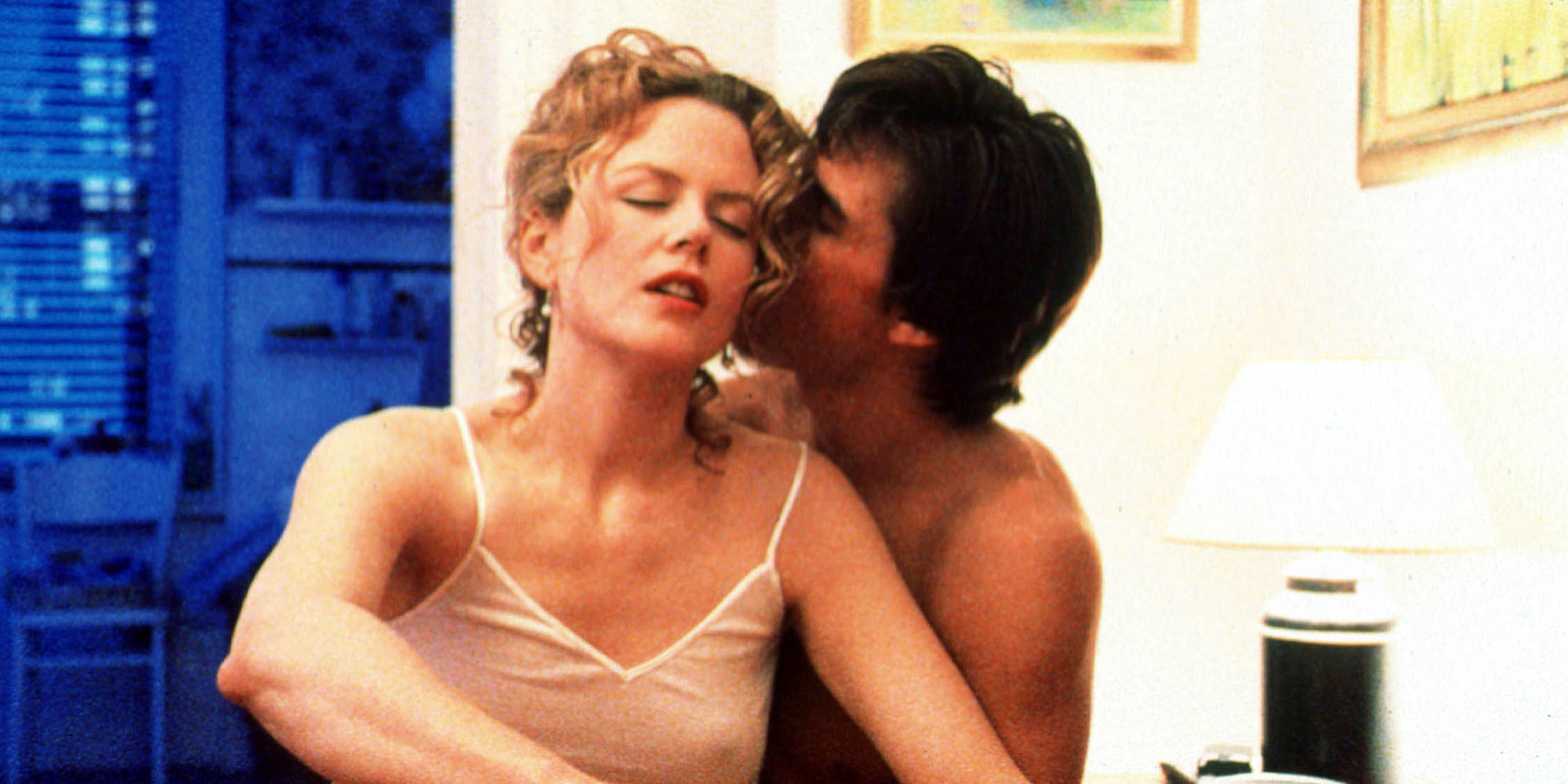
Eyes Wide Shut is the work of an artist who long ago stopped paying attention to the world around him. If you are someone who cares about film culture, you will want to see it anyway, perhaps more than once. Respect for the rest of Kubrick’s work would demand no less.

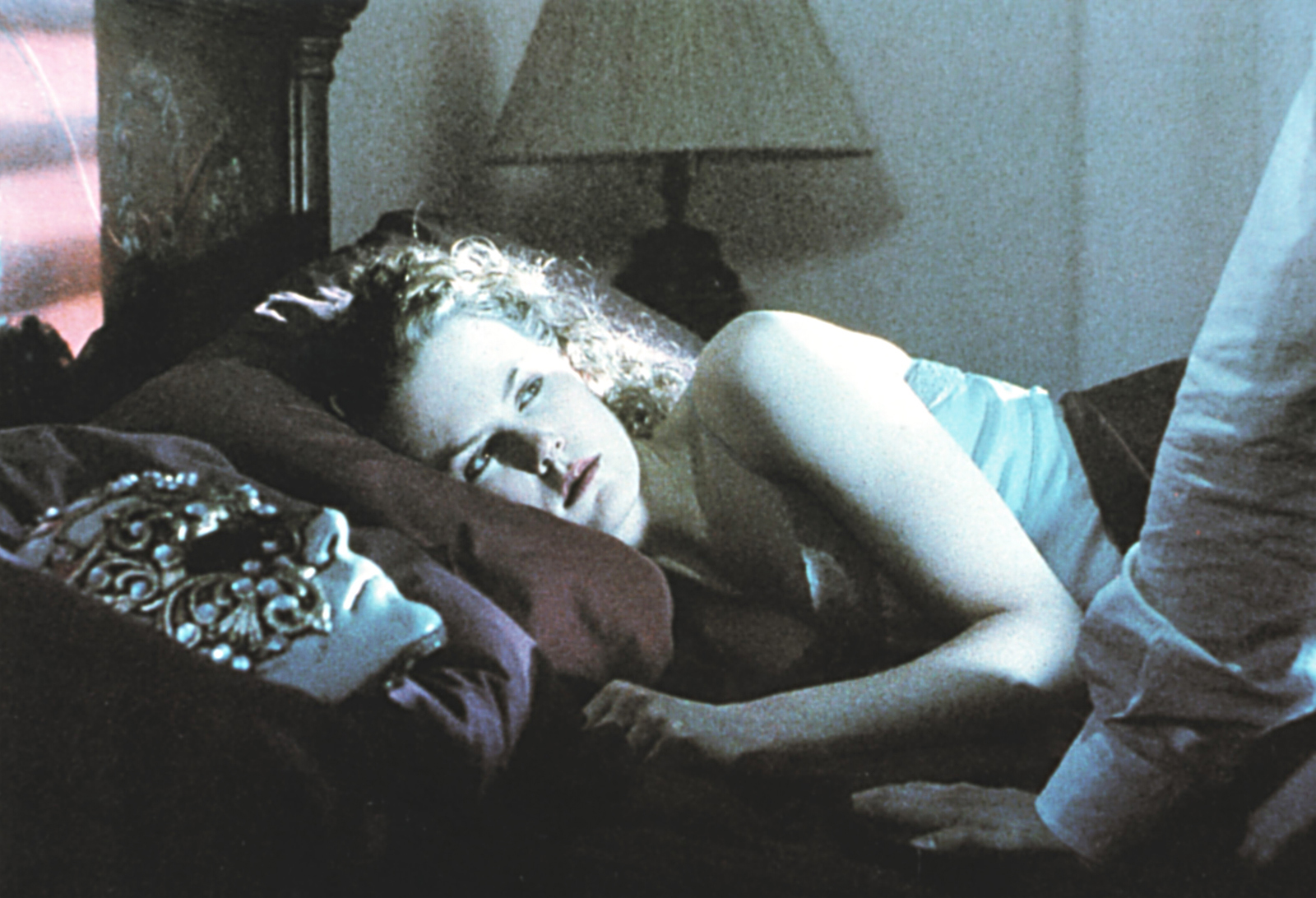
Given the grippingly bizarre settings and situations that Stanley Kubrick’s films favored, what could be more startling than the scene that opens “Eyes Wide Shut”? It’s only the sight of two people who resemble glamorous movie stars getting ready for a black-tie party.

Nicole Kidman is dawdling before the mirror, naked except for her eyeglasses and an earring that’s giving her trouble. She fusses with it, but languorously, as might be expected amid her gilded surroundings. They suggest the kind of hotel where each room is a scaled-down version of the queen’s bedchamber at Versailles. The lamps bathe Ms. Kidman in flattery…
Stanley Kubrick, it appears, has raised many of the same questions through his films as Nathaniel Hawthorne did with his writing. In fact, they seem to share similar psychologically based images despite being separated by 100 years and Kubrick’s use of a medium that Hawthorne never experienced.
La Storia, diceva ancora Baudrillard, è uno scenario rétro, è un “cadavere” che si può mettere in scena, un “fossile” che può essere rappresentato e “simulato”. «La Storia fa così il suo ingresso trionfale nel cinema a titolo postumo». Baudrillard notava come questa riapparizione della Storia non avesse un valore di presa di coscienza, ma di nostalgia di un referente perduto.
Critical disappointment with Eyes Wide Shut was almost unanimous, and the complaint was always the same: not sexy. The national reviewers sounded like a bunch of middle-school kids who’d snuck in to see it and slunk out three hours later feeling horny, frustrated, and ripped off.
The best thing about Eyes Wide Shut may be its title, but anyone planning to see Stanley Kubrick’s long-awaited, posthumously released swan song is advised to go with their eyes open.

To be blunt about it, it’s impossible at this moment to separate thoughts and feelings about Stanley Kubrick’s Eyes Wide Shut from the fact of his death. Or to put it another way, Kubrick’s death is the closure that his final film, for better or worse, resists to the last.
How are we supposed to watch Eyes Wide Shut? Really, how are we supposed to watch any Stanley Kubrick movie? Apprehension of so many of them has shifted between initial reviewing and years of re-viewing, of reconsideration from the vantage of a culture changed, often as not, by the films themselves.

I kept my eyes wide open all through Eyes Wide Shut and saw more control-freak unreality than visual genius around the edges of the cluttered compositions.

Not a single critic, not even those few who claimed to like Eyes Wide Shut, made any attempt to understand the film on its own artistic terms. Instead, the critics denounced the film for not living up to the claims its publicists had made for it.
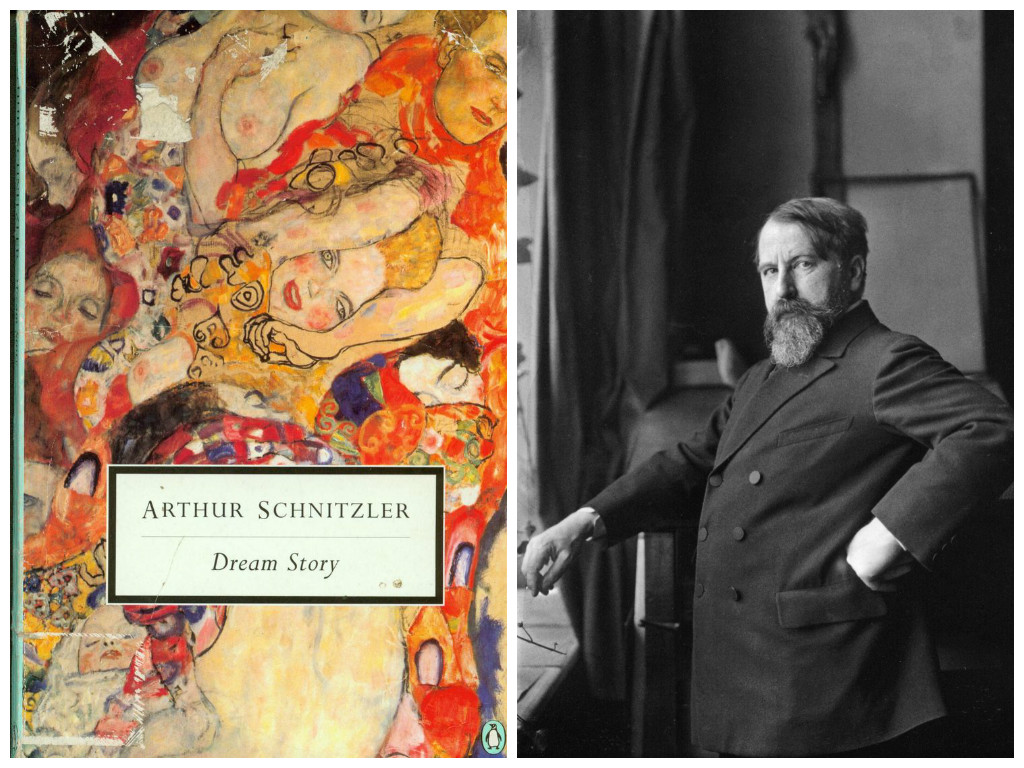
Doppio sogno (titolo originale tedesco Traumnovelle) è un romanzo breve, o novella, di Arthur Schnitzler scritto nel 1925; la prima edizione ufficiale tedesca è del 1926. Doppio Sogno si inserisce nell’estetica del decadentismo viennese di inizio secolo XX; racconta la crisi che colpisce una giovane coppia borghese nella Vienna degli anni venti.
Stanley Kubrick came very late in life to the screen adaptation of Arthur Schnitzler’s novella, though he had read it and been intrigued by it some thirty years earlier.
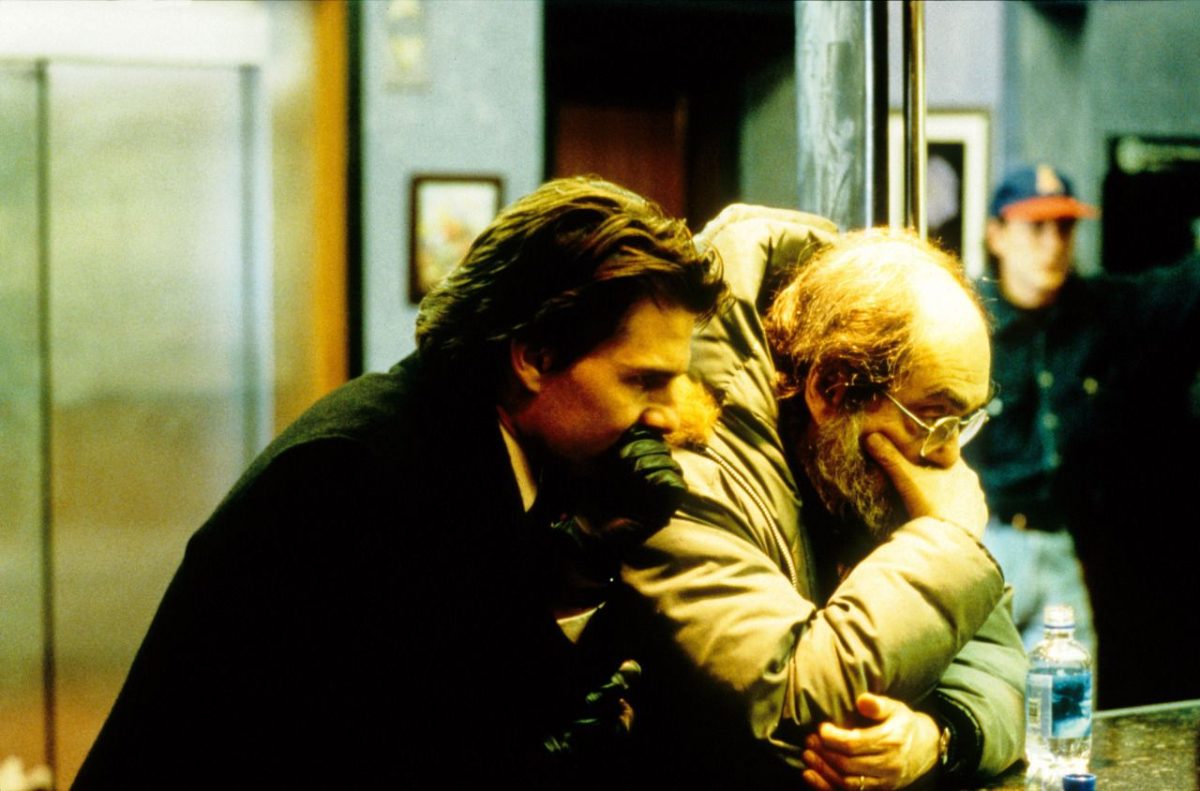
Tom and Nicole tell how they succumbed to Stanley Kubrick’s obsession—and his charm
The theme is sexual obsession. The stars are Tom Cruise and Nicole Kidman. The director is Stanley Kubrick. Who could look anywhere else?
Unquestionably one of the most highly anticipated films of modern times due to its high-powered talent combo, protracted and secrecy-enshrouded shoot, rumored racy content
Recensioni di ‘Eyes Wide Shut’ pubblicate sulla rivista Duel, n.74, Ottobre 1999. Contributi critici di Ezio Alberone, Gianni Canova e Mario Sesti
Eyes Wide Shut (1999), capolavoro postumo di Stanley Kubrick, condivide con Vertigo (1958), di Alfred Hitchcock, non solo le linee tematiche di sviluppo, ma anche quelle linguistiche e strutturali.

Porteremo a lungo nella memoria l’enigma di questo film, che è come una dolce e vaga serata d’addio di un nostro misterioso amico settantunenne, che ci ha lasciato per sempre senza svelarci quasi nessuno dei suoi segreti.
There is no excerpt because this is a protected post.
Cinematographer Larry Smith helps Stanley Kubrick craft a unique look for Eyes Wide Shut, a dreamlike coda to the director’s brilliant career
Eyes Wide Shut movie review by Charles Whitehouse, Sight and Sound, September 1999
Mixing memoir and cultural criticism, Joseph Natoli examines Stanley Kubrick’s “Eyes Wide Shut”

Jonathan Rosenbaum reviews Stanley Kubrick’s Eyes Wide Shut

Nelle loro rispettive peculiarità, Mr. Klein e Eyes Wide Shut si collocano entrambi sotto il segno di una velenosa e sottile ambiguità

Frederic Raphael discusses “Dream Story” in terms of its cultural and historical context in fin-de-siècle Vienna, and comments on the implied Jewish identity of the main character
Speciale Eyes Wide Shut pubblicato dalla rivista italiana SegnoCinema, Gennaio-Febbraio 2000
Get the best articles once a week directly to your inbox!