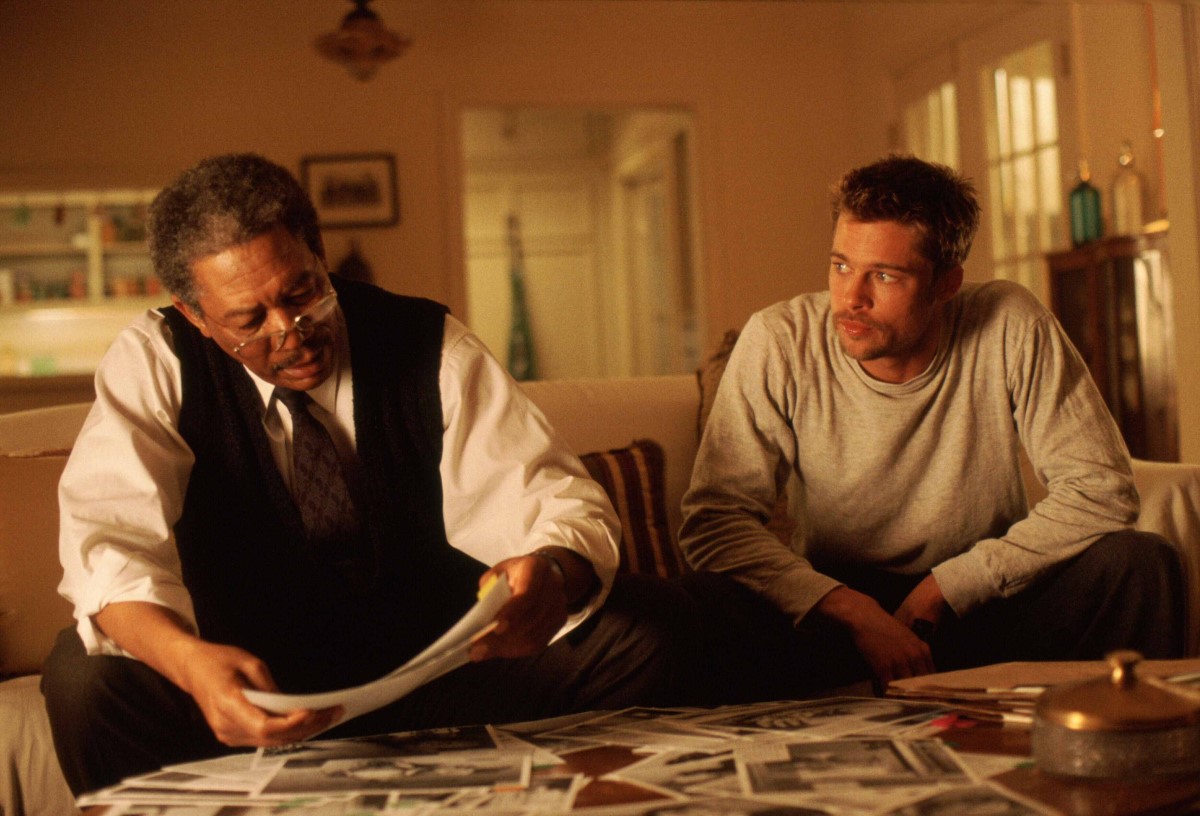
Seven (1995): The Allure of Decay
Revulsion against the body haunts the new film by David Fincher as it does so much current cinema. What makes ‘Seven’ distinctive? Amy Taubin explains

Revulsion against the body haunts the new film by David Fincher as it does so much current cinema. What makes ‘Seven’ distinctive? Amy Taubin explains
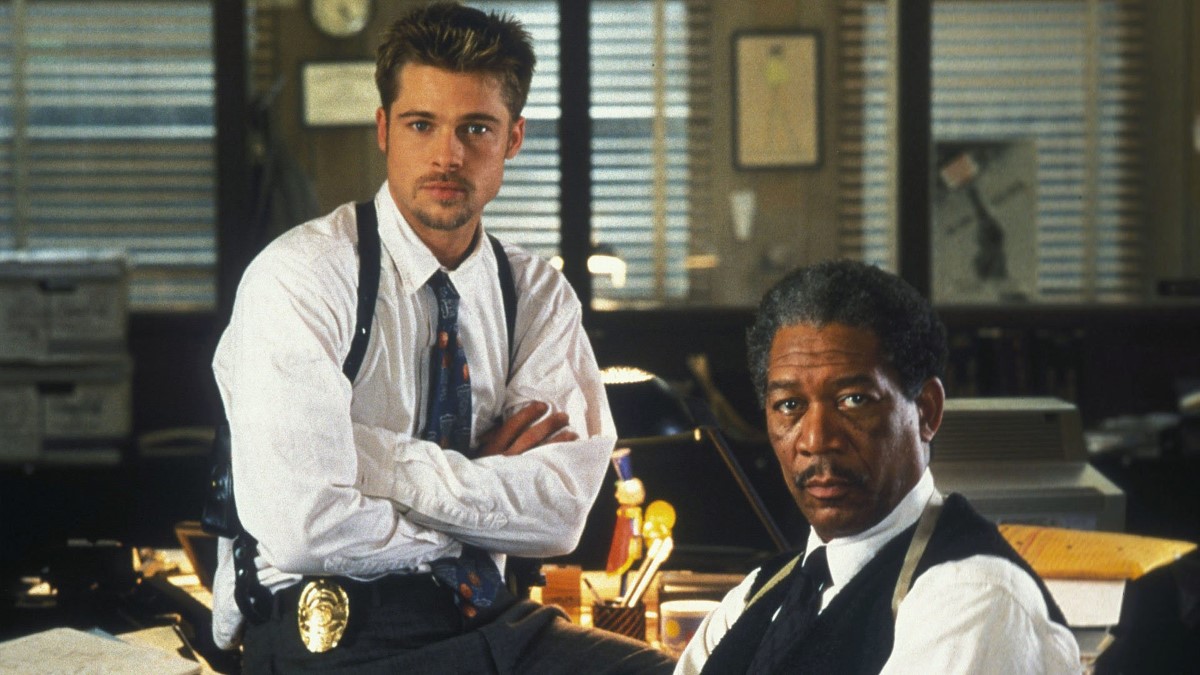
Fincher has created the most authentically hellish screen metropolis since Gotham City, a nameless warren of damp corridors, subterranean sex joints and dilapidated tenements, where it rains all the time.
Amici miei è un’opera crudelissima e scanzonata, cattiva come una beffa del Lasca e cupa come il racconto d’un filosofo pessimista
di Giovanni Grazzini Con Sedotta e abbandonata gli affezionati spettatori di Divorzio all’italiana si ritrovano in una Sicilia dominata da un grottesco senso dell’onore, nuovamente
Saggio critico di Fernaldo Di Giammatteo su “Full Metal Jacket”, pubblicato nel numero monografico su Stanley Kubrick della collana Il Castoro Cinema
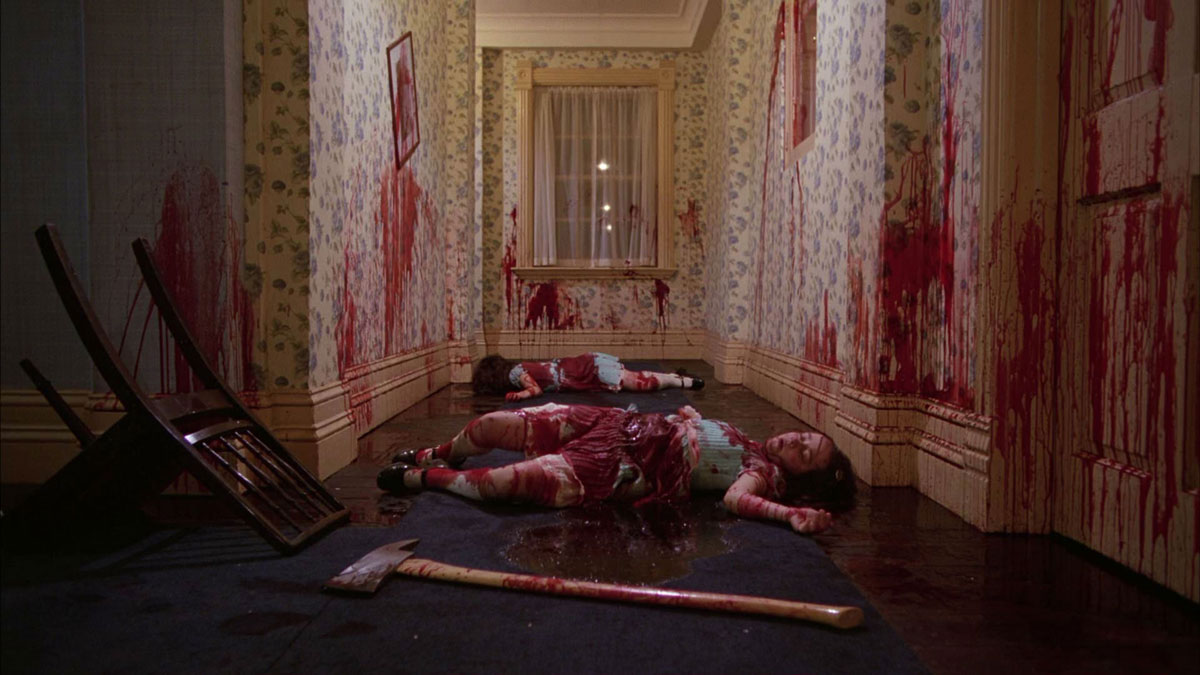
The Shining is a horror movie only in the sense that all Kubrick’s mature work has been horror movies—films that constitute a Swiftian vision of inscrutable cosmic order, and of “the most pernicious race of little vermin that nature ever suffered to crawl upon the surface of the earth.”
Sue Lyon makes Lolita a mirror of the popular culture and as alarming a harbinger of Western civilization’s imminent collapse as I can remember.

Not a single critic, not even those few who claimed to like Eyes Wide Shut, made any attempt to understand the film on its own artistic terms. Instead, the critics denounced the film for not living up to the claims its publicists had made for it.
by Timothy J. Gilfoyle In December 2002, Martin Scorsese’s Gangs of New York opened to critical acclaim. The Chicago Tribune’s Michael Wilmington described the motion
by Dilys Powell The Grapes of Wrath is not just a film, not just a tragedy, not just a social indictment even; it is an
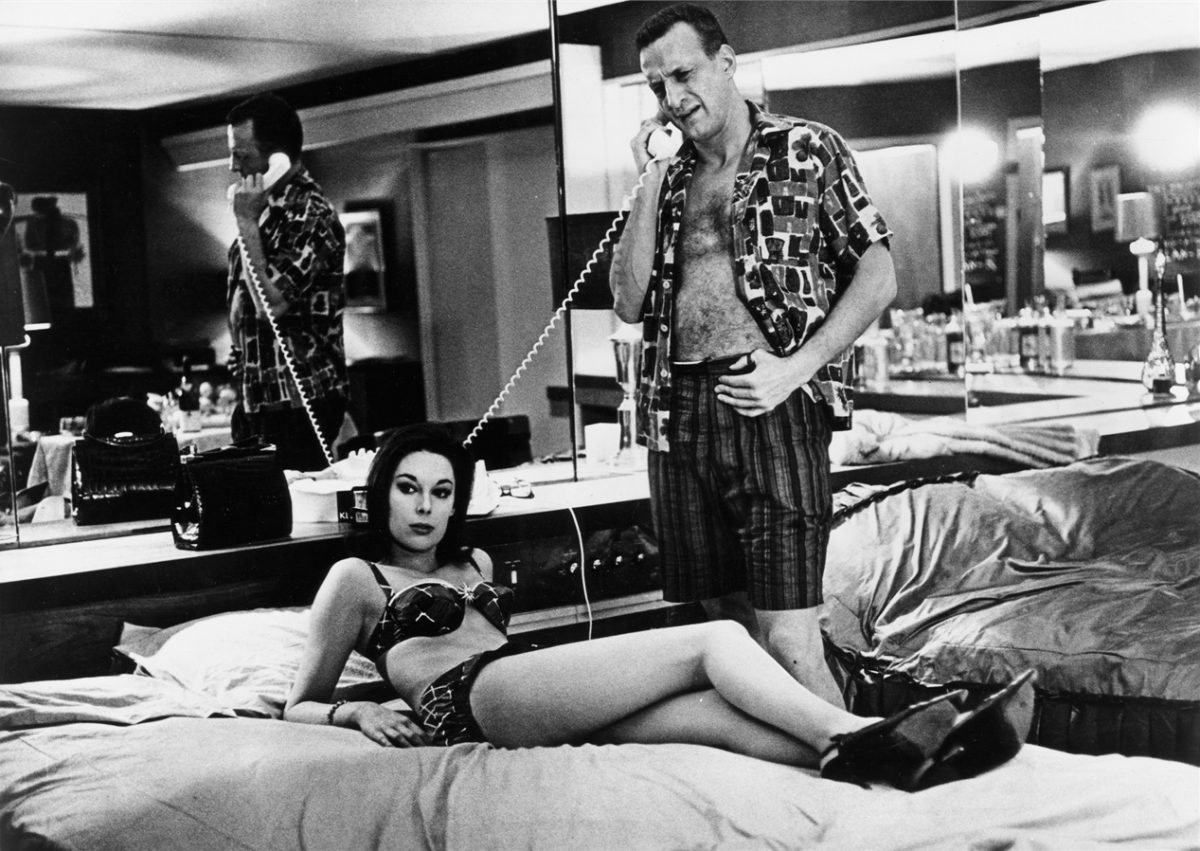
This study will point out how Dr. Strangelove is a sex allegory: from foreplay to explosion in the mechanized world.
C’è un patto di non aggressione tra la polizia e gli «anziani» della comunità cinese di Chinatown. Ma quando al posto dell’opimo William McKenna arriva l’agile Stanley White le cose cambiano.
«Cambiano le regole. Quando si fanno le ore piccole è zona franca», dice il simpatico barista a Marcy e Paul, offrendo loro la consumazione, per divenire di lì a poco il burbero, inesorabile proprietario che impone al giovane l’ordinazione.

Pauline Kael reviews Oliver Stone’s “Platoon”. Published in “The New Yorker”, January 12, 1987
Giovanni Grazzini recensisce “Arancia Meccanica” di Stanley Kubrick. Corriere della Sera, 24 agosto 1972
Paul Schrader reviews Stanley Kubrick’s “2001: A Space Odyssey”. Published in ‘Spectacle’, September 13, 1968
Aching desire and repression and guilt collide in Scorsese’s version of Edith Wharton’s ‘The Age of Innocence’
To a certain extent, this forthright picture has the impact of hard reality, mainly because its frank avowal of agonizing, uncompensated injustice is pursued to the bitter, tragic end.
Paths of Glory is the work of a brilliant young professional who is easing himself into the more difficult teaches of his job.
The theme is sexual obsession. The stars are Tom Cruise and Nicole Kidman. The director is Stanley Kubrick. Who could look anywhere else?
Stanley Kubrick’s new film, called Dr. Strangelove or: How I Learned to Stop Worrying and Love the Bomb, is beyond any question the most shattering sick joke I’ve ever come across.