
Hope and Glory (1987) | Review by Pauline Kael
John Boorman’s Hope and Glory turns the Blitz into a joyful childhood memory, blending war’s horrors with comic freedom and luminous family nostalgia.

John Boorman’s Hope and Glory turns the Blitz into a joyful childhood memory, blending war’s horrors with comic freedom and luminous family nostalgia.
Lee Marvin and Toshiro Mifune are the stars of Hell in the Pacific, and there’s nobody else in the movie — just this American soldier and this Japanese soldier stranded on a Pacific island during the Second World War, and neither speaking a word of the other’s language.
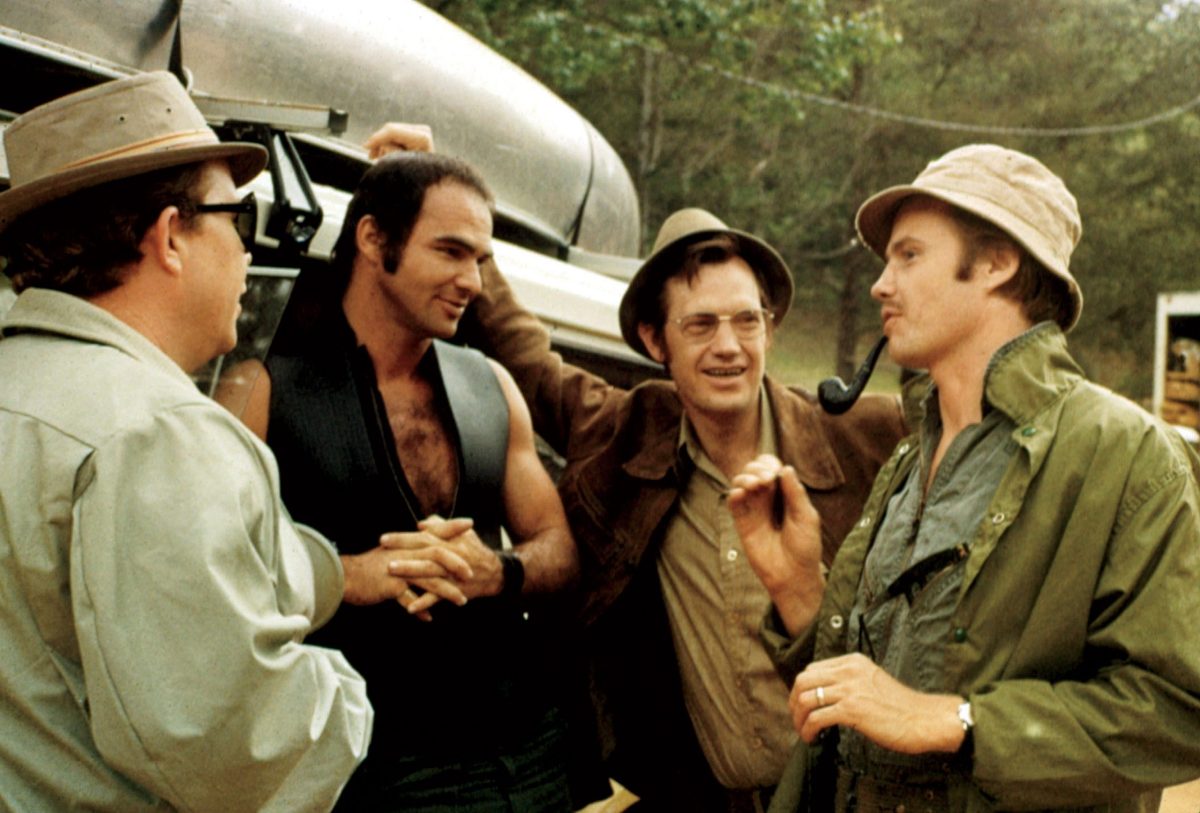
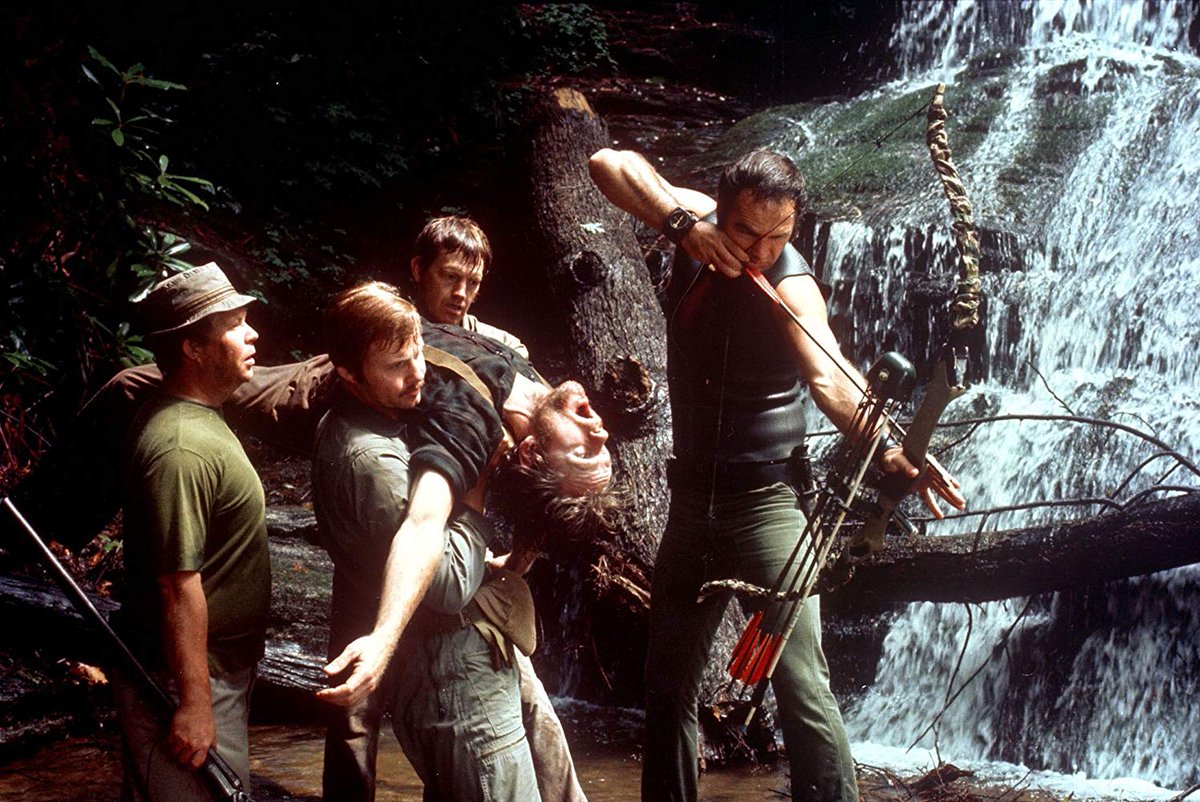
Four prosperous businessmen decide to spend a weekend canoeing a wild river running through essentially untamed country before it all disappears, flooded over by a hydroelectric project already abuilding downstream.

Deliverance, which James Dickey adapted from his own best-selling novel, is one of those rare films that resonates like a literary work but that —rarer still—avoids either being or sounding literary.
Boorman doesn’t bother with episodes that don’t stir him; there’s no dull connective tissue. The film is like Flaubert’s more exotic fantasies—one lush, enraptured scene after another.

John Boorman’s cult film Deliverance is a rape-revenge movie with a difference. Its haunting power lies in what it tries not to show. by Linda Ruth Williams
Get the best articles once a week directly to your inbox!