A Conversation with Bernardo Bertolucci (1966) – By John Bragin
The following conversation, or happening, as Bertolucci prefers to call it, took place in the middle of June 1966 when he was just beginning…
The Scraps Index
11 articles
The following conversation, or happening, as Bertolucci prefers to call it, took place in the middle of June 1966 when he was just beginning…
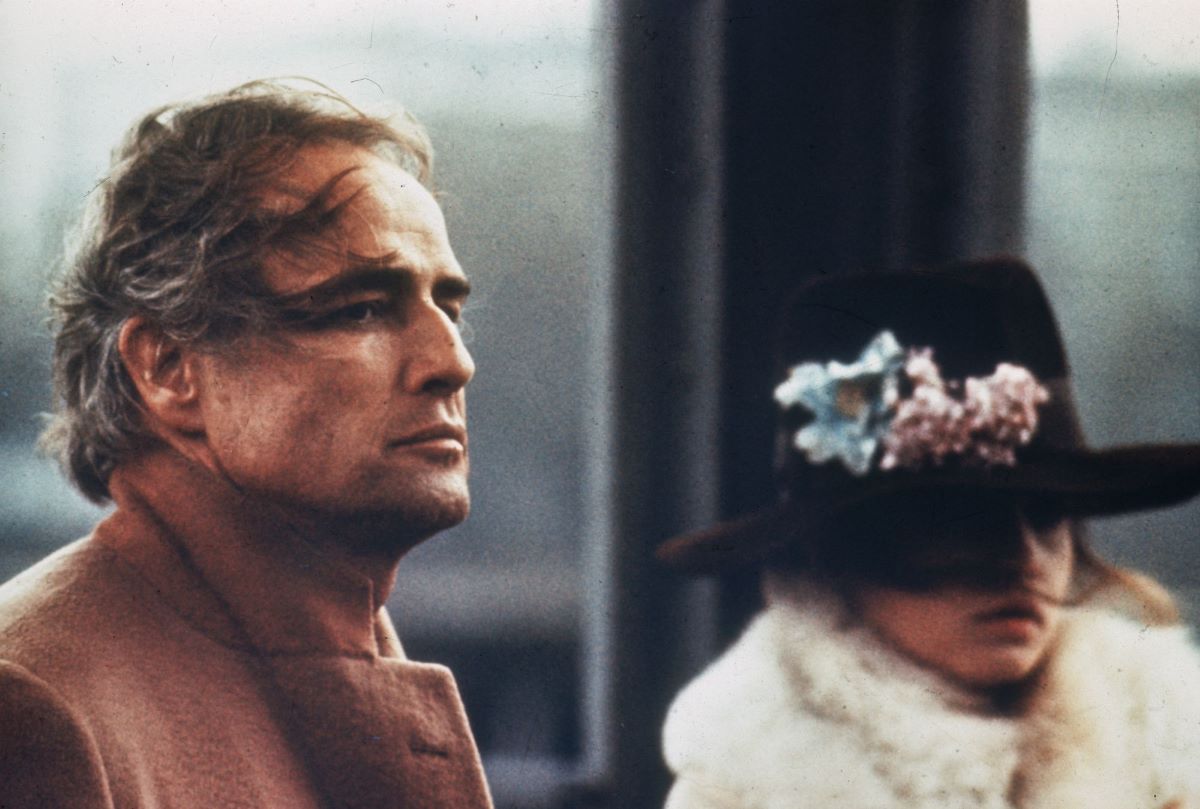
In Last Tango there is a quite plain idea—it’s very nearly a film with a message: sex as an instrument of power divorced from…
Bertolucci is trying to transcend the audience appeal of his lyrical, psychological films. He is trying to make a people’s film by drawing on…
Bernardo Bertolucci: The Last Taboo. The director confronts the incestuous feelings he says we all have. By Jonathan Cott
In this film, one knows that Bertolucci knows who he is and what he’s doing; young as he is, he's a master director. Except…
This movie expresses what it means to be young with the lyricism and narcissism and self-consciousness of the intelligent young.
What is particularly striking about the film, once we get over the sight of Marlon Brando performing anal sex, is that it is, in…
Last Tango in Paris is an important film because of the way it deals with film history. By showing the inadequacy of and parodying two…
In this review of Last Tango in Paris, Norman Mailer offers an extensive critique of Bertolucci’s film on the basis of Marlon Brando’s compromised…
The following review, one of the most renowned in the history of film criticism, appeared in The New Yorker magazine on October 28, 1972
by Bosley Crowther The vast attention that Bernardo Bertolucci’s Last Tango in Paris received while it was several months in the making and when…