
Taxi Driver (1976) | Transcript
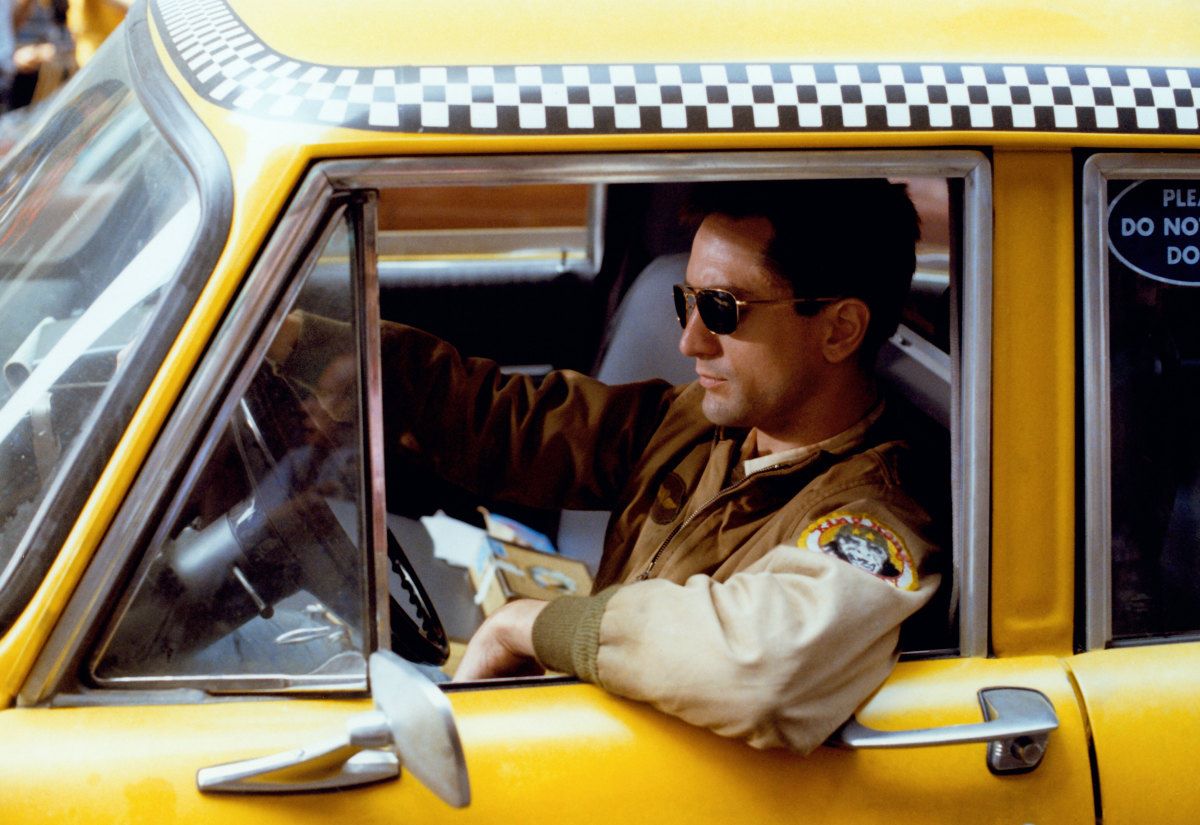
A mentally unstable veteran works as a nighttime taxi driver in New York City, where the perceived decadence and sleaze fuels his urge for violent action.

A mentally unstable veteran works as a nighttime taxi driver in New York City, where the perceived decadence and sleaze fuels his urge for violent action.
By far his most ambitious film to date technically and in the scope of its references, Taxi Driver shows Scorsese’s urgency working at full throttle—to the film’s considerable success and less considerable failure.
Paul Schrader is one of the seminal figures of the contemporary American cinema. His success is attributable to the creative use of his critical faculty and a commercial deployment of his Calvinism. The result is a body of work that is a bracing commentary on classic and modern Hollywood, and whose bleak vision would make film noir look like musical comedy.
In Taxi Driver, New York City is a steaming, polluted cesspool and Travis Bickle’s cab a drifting bathysphere from which he can peer at the “garbage and trash” which obsess him: whores, pimps, junkies, wandering maniacs, maggotty streets, random violence.
TAXI DRIVER’S SCREENWRITER Paul Schrader interviewed by Richard Thompson Richard Thompson is grateful to Jack Shafer for his help with this interview, which took place

No other film has ever dramatized urban indifference so powerfully; at first, here, it’s horrifyingly funny, and then just horrifying.
In this extract from Schrader on Schrader, a collection of interviews and essays, screenwriter Paul Schrader tells Kevin Jackson about the genesis of Travis Bickle, working with Martin Scorsese and the link between the Coppertone advert and Crime and Punishment
Get the best articles once a week directly to your inbox!